Article: Mandelic Acid for Acne-Prone and Sensitive Skin
Mandelic Acid for Acne-Prone and Sensitive Skin
Short answer: Mandelic acid is an alpha hydroxy acid (AHA) with a larger molecule than glycolic acid, so it moves into skin more slowly and tends to sting less. That makes it a good first exfoliating acid for breakout-prone, sensitive or deeper skin tones. Used a few nights a week, it helps skin look smoother, clearer and more even. Wear sunscreen every morning while you use it.
Key takeaways
- It is a gentle AHA. Mandelic acid is a larger molecule than glycolic or lactic acid, so it works more slowly and is usually easier to tolerate.
- It suits skin that reacts. Breakout-prone, sensitive and deeper skin tones are the usual reasons people choose it over a stronger acid.
- Start slow. Two or three evenings a week for the first two weeks, then build up only if skin stays comfortable.
- Do not stack acids at first. Skip retinoids, scrubs and other AHAs on the same night until you know how your skin responds.
- Sunscreen is part of the deal. Every AHA can make skin more sensitive to the sun, during use and for a week after.
What is mandelic acid?
Mandelic acid is an alpha hydroxy acid, the same family as glycolic and lactic acid. AHAs loosen the bonds between the dead cells on the surface of your skin so they shed more evenly. When that surface turns over smoothly, skin looks brighter, feels softer and pores are less likely to look congested.
What sets mandelic acid apart is its size. Its molecule is noticeably larger than glycolic acid's, so it moves into the skin more slowly. A 2024 review of AHAs in dermatology practice describes it as slower to penetrate and less irritating, which is why it is often suggested for sensitive skin. You can read the review of alpha hydroxy acids in full on the NIH's PubMed Central. In the treatment room I see the same thing: clients who could never tolerate a glycolic toner usually manage mandelic acid without the redness.
What are the benefits of using mandelic acid on skin?
These are the reasons people reach for it. They come from published research and from what I see with clients, and they describe the ingredient in general, not any one product.
- Smoother texture. Regular, gentle exfoliation softens rough patches and the bumpy feel of congested skin.
- Clearer-looking pores. Shedding dead cells evenly helps keep pores from looking clogged, which is why it shows up in routines for breakout-prone skin.
- A more even-looking tone. In a randomized study of chemical peels for melasma, a salicylic and mandelic acid peel reduced the appearance of dark patches about as well as a stronger glycolic peel and was better tolerated. The study abstract is on PubMed. That was an in-office peel, not a home serum, so treat it as a reason to be interested, not a promise.
- Less sting than other acids. For many people this is the real benefit: an acid they can keep using.
Mandelic acid vs glycolic, lactic and salicylic acid: which is gentler?
All four exfoliate. They differ in how fast they work and how skin tends to feel afterwards.
| Acid | Family | How it feels | Often chosen for |
|---|---|---|---|
| Mandelic acid | AHA, large molecule | Slow and gentle, little or no sting for most people | Sensitive, breakout-prone and deeper skin tones; first-time acid users |
| Glycolic acid | AHA, smallest molecule | Fast and strong, more likely to tingle or redden | Resilient skin that wants a visible change in texture |
| Lactic acid | AHA, medium molecule | Moderate, with a hydrating feel | Dry or dull skin |
| Salicylic acid | BHA, oil-soluble | Works inside oily pores, can dry some skin | Very oily skin and blackheads |
If you have tried glycolic acid and your skin protested, mandelic acid is the one I would try next. If you have very oily skin with stubborn blackheads, a salicylic product may suit you better.
Is mandelic acid good for acne-prone skin?
It is one of the acids I suggest most often for breakout-prone skin, because it keeps the surface shedding evenly without the irritation that can make a breakout look angrier. It helps skin look clearer and smoother. It is not a medicine, and it will not replace a dermatologist for acne that is painful, cystic or leaving scars. The American Academy of Dermatology's list of habits that can worsen acne is worth reading alongside any new product, because scrubbing and trying too many products at once undo a lot of good routines.
Is mandelic acid safe for sensitive or darker skin?
For many people with sensitive skin, yes, as long as they start slowly. For deeper skin tones, irritation is the thing to avoid, because inflamed skin can leave dark marks that linger for months. A gentle acid that is less likely to set off redness is the safer choice, which is why mandelic acid is so often chosen for melanin-rich skin. Patch test first: apply a little behind the ear or along the jaw for three nights before using it on your whole face.
How do I know if mandelic acid is right for my skin?
Before you buy, check which of these sounds like you.
| What you notice | Is mandelic acid a fit? | What I would do |
|---|---|---|
| Occasional breakouts and rough texture | Yes, a good fit | A mandelic serum two or three evenings a week, building up slowly |
| Skin stings with glycolic acid or retinoids | Often, yes | Patch test, then start with a wash, which spends less time on skin |
| Dark marks left behind after breakouts | Yes, with patience | Consistent use plus daily sunscreen; marks fade over weeks, not days |
| Painful, deep or cystic breakouts | Not on its own | See a board-certified dermatologist first |
| Skin that is raw, peeling or freshly treated | Not right now | Let it calm down and use only a gentle cleanser and moisturizer |
How do you use mandelic acid in a routine?
- Evening, on clean dry skin. Apply a thin layer of serum after cleansing. Dry skin tingles less than damp skin.
- Two or three nights a week to start. After two comfortable weeks, try every other night, then nightly if your skin is happy.
- Moisturize after. A simple moisturizer on top keeps skin comfortable.
- One acid at a time. On mandelic nights, skip retinoids, scrubs and other AHA or BHA products until you know how your skin responds.
- Sunscreen every morning. The FDA notes that alpha hydroxy acids can increase sun sensitivity, during use and for up to a week after you stop. Use a broad-spectrum SPF 30 or higher, as the AAD's sunscreen guidance recommends.
A little tingling for a minute is normal. Burning, lasting redness or peeling means stop for a few days and come back less often.
What we carry, and who it is for
Bohemia Skin does not make a mandelic acid product. We carry Face Reality's mandelic line because it is what I use with clients who need a gentler acid. Everything in this section is about those products, not about the research above.

Partner brand, Face Reality
An exfoliating serum with L-mandelic acid, L-lactic acid, sodium hyaluronate and niacinamide, for brighter, more even-looking skin that stays hydrated. One pump over a clean face in the evening. 1 fl oz (30 mL).
$52.50

Partner brand, Face Reality
A foaming exfoliating cleanser with L-mandelic acid, gluconolactone and grape seed extract that leaves skin looking brighter and feeling smoother. A good starting point if leave-on acids make you nervous, because it rinses off. Works on breakout-prone backs and shoulders too.
$43.75
You will find both, with everything else we carry for breakout-prone skin, in our breakout-prone skin collection.
Can I use mandelic acid with Kay's Glow Oxygen Serum?
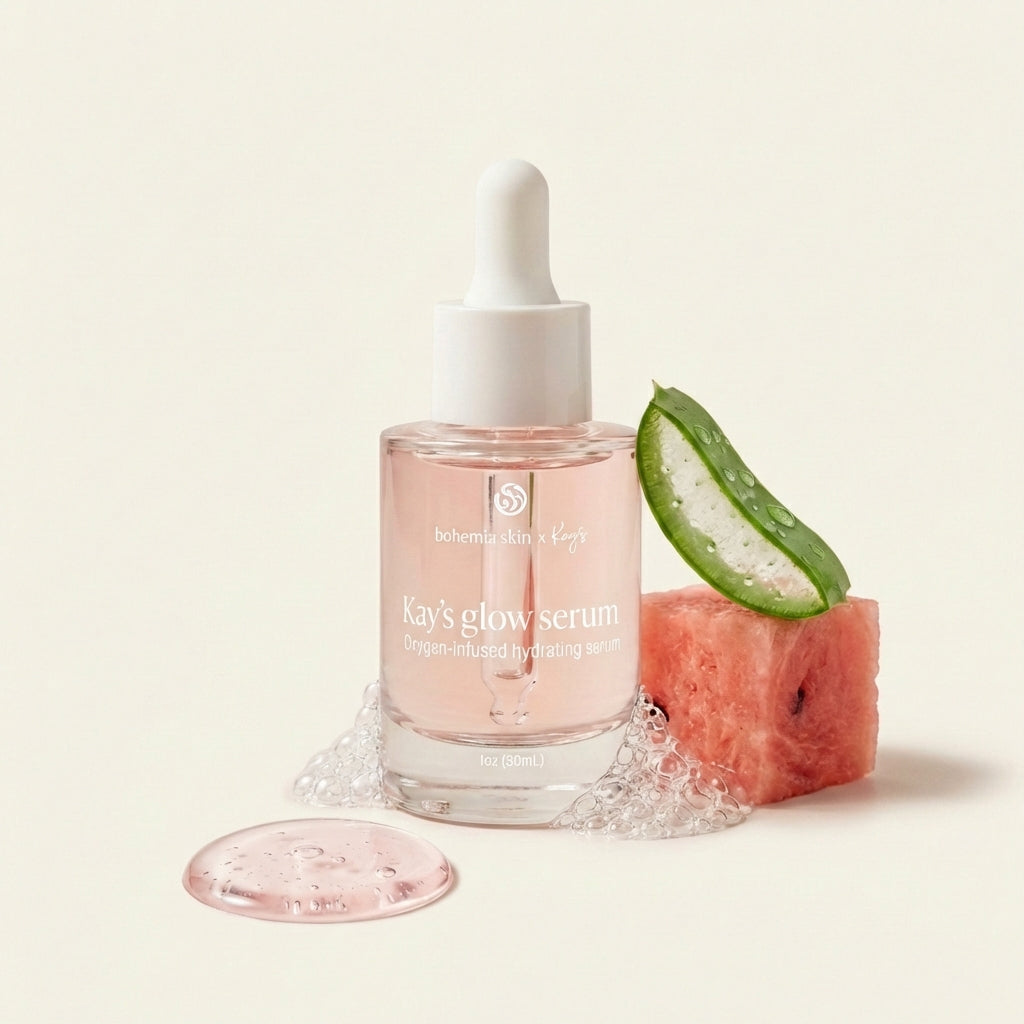
Yes, but not on the same night while you are starting out. Kay's Glow Oxygen Serum contains its own AHA trio, so using both together doubles the exfoliation. Alternate them: mandelic serum on two or three evenings, Kay's Glow Oxygen Serum on the others. Finish with Infinite Aura Moisturizer: pump it onto the top of its own container, mix in your serum drops there, then press it in. It is lavender scented, not fragrance free. Start every evening with a gentle cleanse such as Boho Cleansing Balm. Not sure what your skin needs? The skin quiz suggests a routine for your skin type.
Frequently asked questions
What does mandelic acid do for your skin?
Mandelic acid is a gentle alpha hydroxy acid that loosens dead cells on the surface so they shed more evenly. Used regularly, it helps skin look smoother, brighter and more even, and helps keep pores from looking clogged. Because its molecule is larger than glycolic acid's, it works more slowly and usually causes less stinging.
Can I use mandelic acid every day?
Many people can, eventually. Start with two or three evenings a week for two weeks. If your skin stays comfortable, move to every other night, then nightly. If you notice burning, lasting redness or peeling, drop back to fewer nights. A wash is easier to use daily than a leave-on serum.
Is mandelic acid better than salicylic acid for breakouts?
They do different jobs. Salicylic acid is oil-soluble and works inside oily pores, which suits very oily skin and blackheads. Mandelic acid works on the surface and is usually gentler, which suits sensitive and deeper skin tones. Some people use both on different nights. Start with one so you can tell what is helping.
Does mandelic acid help dark marks?
It can help dark marks look lighter over time by keeping the surface turning over evenly. Expect weeks, not days, and wear sunscreen every morning, because the sun deepens marks and AHAs can increase sun sensitivity. Marks that are raised, painful or not fading after several months are worth showing to a dermatologist.
Can I use mandelic acid with retinol?
Not on the same night while you are starting out. Both increase cell turnover, and together they can leave skin dry and irritated. Alternate them, for example mandelic acid two evenings a week and retinol on others, and keep a simple moisturizer in every evening. If your retinoid is a prescription, ask your prescriber first.
Is mandelic acid safe during pregnancy?
Mandelic acid is generally considered one of the gentler acids, but pregnancy is a time to check every new product with your own doctor or midwife before you start. Bring the ingredient list with you. Until you have their answer, a gentle cleanser, moisturizer and daily sunscreen are a safe routine.
How long does mandelic acid take to work?
Skin often feels softer within a week or two. A smoother, more even look usually takes four to eight weeks of steady use, because the surface renews gradually. Take a photo in the same light on day one and again at week six; it is easier to see the change that way than in the mirror.
Should I put mandelic acid on wet or dry skin?
Dry. Applying an acid to damp skin can make it tingle more, because water helps it move in faster. Cleanse, pat your face dry, wait a minute, then apply a thin layer of serum. Moisturize after it has absorbed.